
Turning Palm Shells into Biochar: The Environmental and Economic Impacts
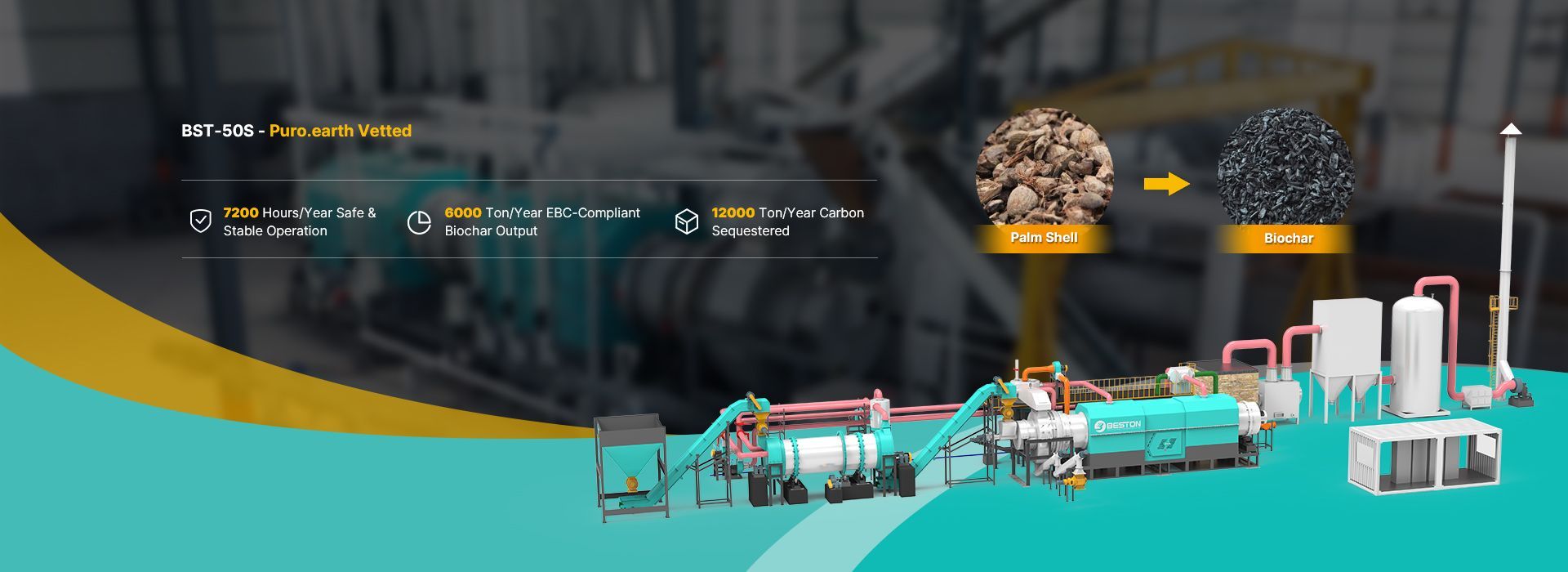
Palm shells, often considered agricultural waste, are increasingly being used as a raw material for biochar production. With the global push towards sustainable practices, converting palm shells into biochar is not only a solution for waste management but also a way to reduce carbon emissions and improve soil health. In this article, we’ll explore the impact of turning palm shells into biochar, the role of palm shell charcoal machines, and the benefits of this process for the environment and economy.
What is Biochar?
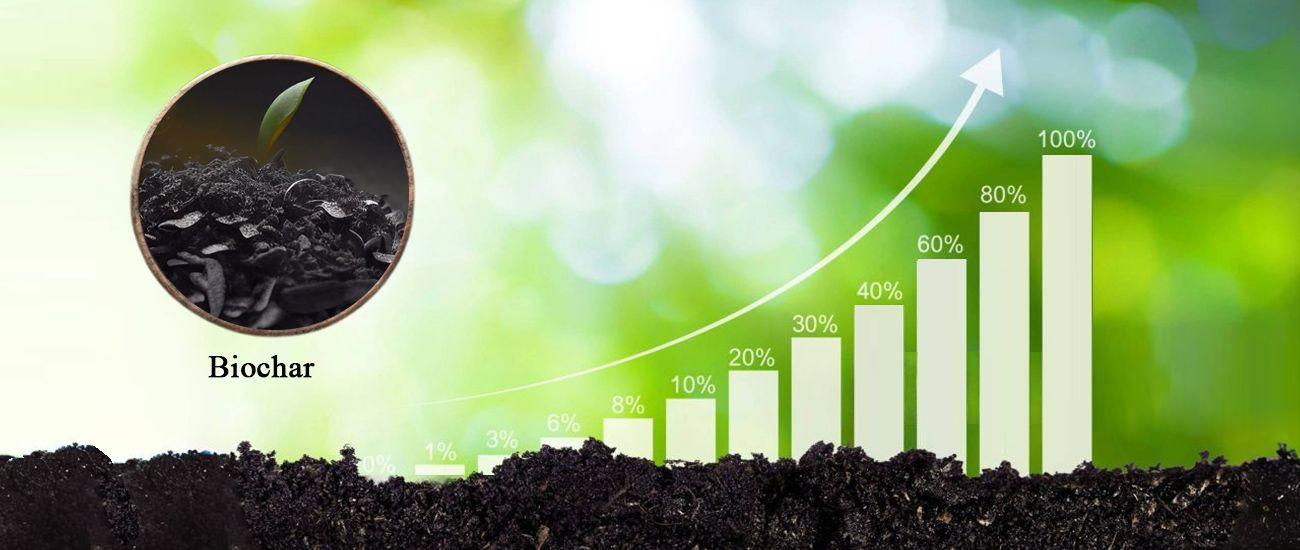
Biochar is a form of charcoal created by heating organic materials, such as palm shells, in an oxygen-limited environment (a process known as pyrolysis). It is a stable carbon-rich material that can be used as a soil amendment, a carbon sequestration tool, and a renewable energy source. Biochar is highly porous, making it beneficial for improving soil fertility, water retention, and nutrient absorption.
Why Use Palm Shells for Biochar?
Palm shells are a by-product of the palm oil industry, and millions of tons of these shells are generated every year. Instead of being discarded or burned, palm shells can be repurposed into biochar, which offers several environmental and economic benefits.
Palm shells are abundant and can be easily processed into biochar using specialized machines, such as palm shell charcoal machines. This transformation not only helps manage waste but also provides a sustainable way to capture and store carbon, improve soil health, and reduce the reliance on chemical fertilizers.
The Environmental Impact of Palm Shell Biochar
1. Carbon Sequestration
One of the most significant environmental benefits of turning palm shells into biochar is carbon sequestration. The pyrolysis process that creates biochar locks carbon from the palm shells into a stable form. As a result, biochar can store carbon in the soil for hundreds or even thousands of years, preventing it from being released as carbon dioxide (CO2) into the atmosphere. This makes biochar an important tool in fighting climate change.
Studies have shown that biochar can sequester large amounts of carbon, making it a valuable asset in achieving carbon-neutral and carbon-negative goals. The use of palm shell biochar further enhances these benefits because palm oil production is widespread, providing a constant supply of raw material for biochar production.
2. Waste Reduction and Resource Optimization
Palm shells are often discarded as waste or burned, which can lead to air pollution and contribute to deforestation when palm oil plantations expand. By converting these shells into biochar, we can reduce the environmental burden associated with their disposal and create value from waste.
Using palm shell charcoal machines to process these shells offers an efficient and sustainable solution to both waste management and the production of a valuable resource. This aligns with the principles of a circular economy, where waste is minimized, and resources are reused or recycled for new purposes.
3. Soil Improvement and Agricultural Benefits
Palm shell biochar is a powerful soil amendment. When applied to agricultural land, it improves soil structure, increases water retention, and enhances nutrient absorption. Biochar also promotes beneficial microbial activity in the soil, creating a healthier environment for plants to grow.
Farmers who use palm shell biochar in their fields can experience:
- Increased crop yields: Biochar’s ability to retain nutrients and water improves overall plant health.
- Enhanced soil fertility: The high surface area and porosity of biochar help soil hold onto important nutrients like nitrogen, phosphorus, and potassium, reducing the need for chemical fertilizers.
- Reduced soil acidity: Biochar can neutralize acidic soils, making them more suitable for a variety of crops.
Given that palm oil plantations are typically located in tropical regions with challenging soils, using palm shell biochar as a soil amendment can significantly improve agricultural productivity in these areas.
The Economic Impact of Palm Shell Biochar
1. Creating Economic Value from Waste
Palm oil is one of the most widely consumed vegetable oils in the world, and its production generates significant amounts of waste, including palm shells. By converting these shells into biochar, businesses can create additional value from this agricultural by-product.
Palm shell charcoal machines provide a way to efficiently process these shells and produce biochar, which can be sold to farmers, landscapers, and even used for energy production. In some cases, biochar is sold as a high-value product for environmental applications, making it a profitable venture.
The palm shell charcoal machine industry itself has the potential to create jobs and stimulate local economies, particularly in regions where palm oil production is a significant industry.
2. Alternative Energy Generation
Palm shell biochar production can also generate renewable energy. The pyrolysis process produces not only biochar but also by-products like bio-oil and syngas, which can be used for energy production. This makes biochar production a sustainable energy source, especially for businesses and communities that need to power their operations.
Bio-oil and syngas can be used for heating, electricity generation, or even as a replacement for fossil fuels, contributing to energy independence and reducing greenhouse gas emissions.
3. Reduction in Chemical Fertilizer Use
The use of palm shell biochar in agriculture can reduce the need for chemical fertilizers, which are often expensive and have negative environmental impacts, such as nutrient runoff and soil degradation. By promoting natural soil health with biochar, farmers can reduce their reliance on costly chemical inputs, leading to lower production costs and higher profits.
Conclusion
The process of converting palm shells into biochar has far-reaching environmental and economic impacts. By using palm shell charcoal machines, we can reduce waste, sequester carbon, improve soil health, and generate renewable energy. As the demand for sustainable practices in agriculture, waste management, and carbon capture continues to rise, the use of palm shells for biochar production presents an exciting opportunity for businesses and communities alike.
Whether you're looking to support sustainable agriculture, reduce carbon emissions, or turn waste into value, converting palm shells into biochar is a step in the right direction. Investing in palm shell charcoal machines not only benefits the environment but also offers economic opportunities in the growing biochar industry.
