
The Biochar Market and Biochar Production Equipment: An Emerging Industry
Biochar is rapidly gaining attention for its environmental benefits, particularly in carbon sequestration and soil enhancement. As climate change becomes an increasing concern, the biochar market is experiencing significant growth. This article will explore the biochar market, the factors driving its demand, and the types of biochar production equipment that are powering this emerging industry.
What is Biochar?
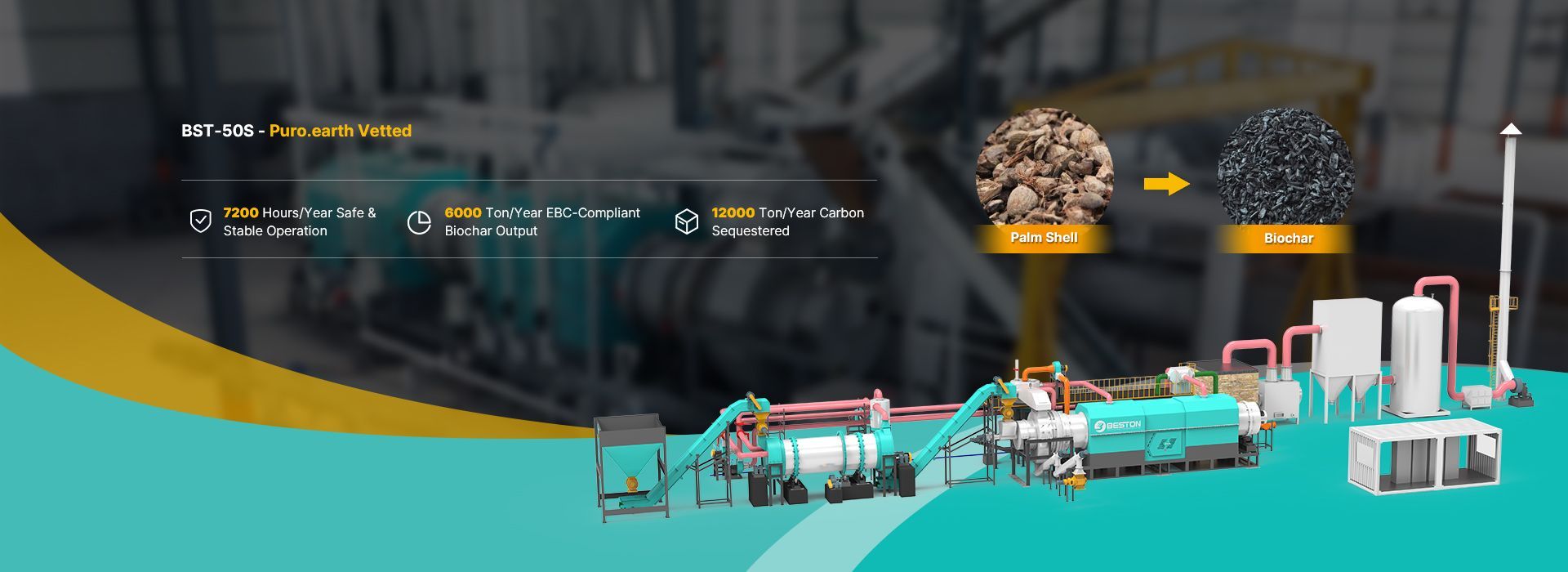
Biochar is a form of charcoal that is produced by heating organic materials (like wood, crop residues, or even waste products) in a low-oxygen environment, a process known as pyrolysis. The resulting product is rich in carbon, which can be used to improve soil health, reduce greenhouse gas emissions, and even generate renewable energy.
Biochar has numerous applications, including as a soil amendment, in water filtration systems, and in carbon capture and storage initiatives. Its environmental benefits are now widely recognized, and as a result, the market for biochar has been expanding rapidly.
The Biochar Market: Current Trends and Growth Potential
1. Rising Demand for Sustainable Agriculture
One of the primary drivers of the biochar market is its use in agriculture. Biochar is highly effective as a soil conditioner, improving soil fertility, water retention, and pH levels. It also helps in retaining nutrients that plants need for growth, making it particularly beneficial for areas with poor or degraded soils.
As more farmers and agribusinesses seek sustainable and eco-friendly practices, biochar is becoming an increasingly popular alternative to chemical fertilizers. Biochar also enhances soil microbial activity, which further boosts plant growth and crop yield, providing long-term benefits to agricultural productivity.
2. Carbon Sequestration and Climate Change Mitigation
Biochar is an effective method of carbon sequestration. Since biochar locks carbon into the soil for hundreds or even thousands of years, it serves as a way to store carbon that would otherwise be released into the atmosphere as CO2. As governments and businesses focus on climate change mitigation, biochar is seen as a critical tool in reducing atmospheric carbon levels.
Many carbon credit programs now consider biochar as part of their carbon offset initiatives, which increases its market demand among businesses that need to reduce their carbon footprint.
3. Waste Management and Circular Economy
Another significant driver of the biochar market is the increasing focus on waste management. Organic waste, including agricultural residue, forestry by-products, and even municipal waste, can be converted into biochar through pyrolysis. This not only helps in reducing landfill waste but also turns waste materials into valuable products, promoting a circular economy.
Biochar production using waste materials offers both environmental and economic benefits, making it an attractive solution for waste management industries.
4. Increasing Investment in Biochar Production
As the benefits of biochar become more widely understood, there has been a surge in investment in biochar production technology. This is particularly true in the renewable energy and environmental sectors, where biochar is seen as a sustainable and profitable product. Various organizations, including governments and private enterprises, are increasing funding for biochar research and production.
Market Forecast
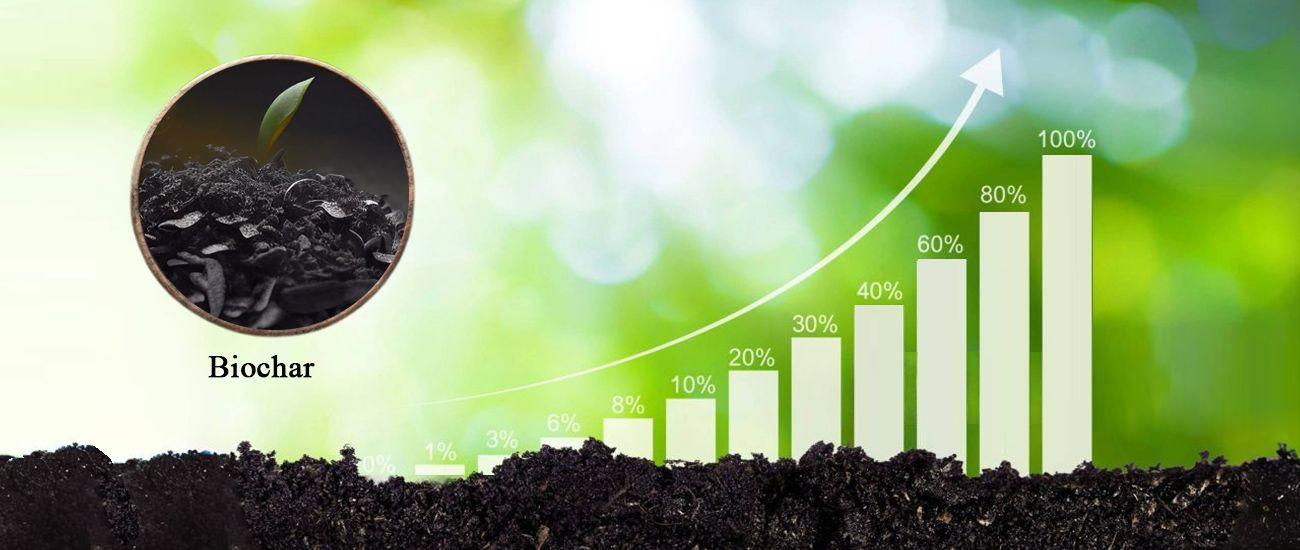
According to market research, the biochar market is projected to grow at a compound annual growth rate (CAGR) of over 15% in the coming years. This growth is largely attributed to the growing awareness of biochar's environmental and economic benefits. The agriculture segment is expected to dominate the market, followed by industries like waste management and energy.
Conclusion
The biochar market is growing rapidly as industries and governments seek more sustainable and environmentally-friendly solutions. Biochar's ability to improve soil health, reduce greenhouse gas emissions, and provide waste management solutions makes it an attractive option for many sectors. As the market continues to expand, the demand for biochar production equipment will rise, with various technologies available to cater to different scales of production.
Whether you’re a farmer looking to improve soil quality or an entrepreneur interested in entering the biochar production business, investing in the right biochar production equipment is key to achieving success in this growing market.
